


Fire Assay: What It Is, How It Works & Why It Still Matters
Fire assay has been the standard for precious metal analysis for over 500 years, and despite modern instruments, it remains the most trusted method in refining labs, mining operations, and even legal disputes. Famously described by Georgius Agricola in De Re Metallica in 1556, the process has endured because it combines large-sample fusion, chemical separation, and highly reliable precious metal collection.
So why does a centuries-old technique still define accuracy today? This article explains what fire assay is, how it works in real-world lab settings, and why refiners like Sabin Metal Corporation rely on it for gold, silver, and platinum group metals.
What Is Fire Assay?
Fire assay is a quantitative analytical method that uses high heat and fluxes to separate, collect, and measure precious metals from a sample. It is widely used to determine exact concentrations of gold, silver, and platinum group metals such as platinum and palladium.
Also known as fire assaying or the fire assay method, this technique is widely regarded as the industry benchmark for precious metal determination. Because of its long history, reproducibility, and acceptance in commercial settlement, fire assay is often relied upon in refining laboratories, mining operations, umpire assays, and disputes involving gold, silver, platinum, and palladium content.
How Fire Assay Works: A Step-by-Step Breakdown
This is not a textbook procedure. This is how professionals approach fire assay analysis in a working lab environment.
Sample Preparation
The process begins with pulverization. The sample is ground into a fine powder, commonly to minus 100 mesh or finer, to improve homogeneity and ensure that the portion taken for assay is representative of the larger sample.
Next comes fluxing. A precisely weighed portion of the prepared sample is mixed with flux components such as litharge, soda ash, borax, silica, and a reducing agent. The flux is designed to melt the sample, dissolve unwanted matrix components into a slag, and promote collection of the precious metals into a lead button. For platinum and palladium assays, silver may be added as a collector, and the flux composition is adjusted to improve recovery based on the sample matrix.
Fusion (Smelting)
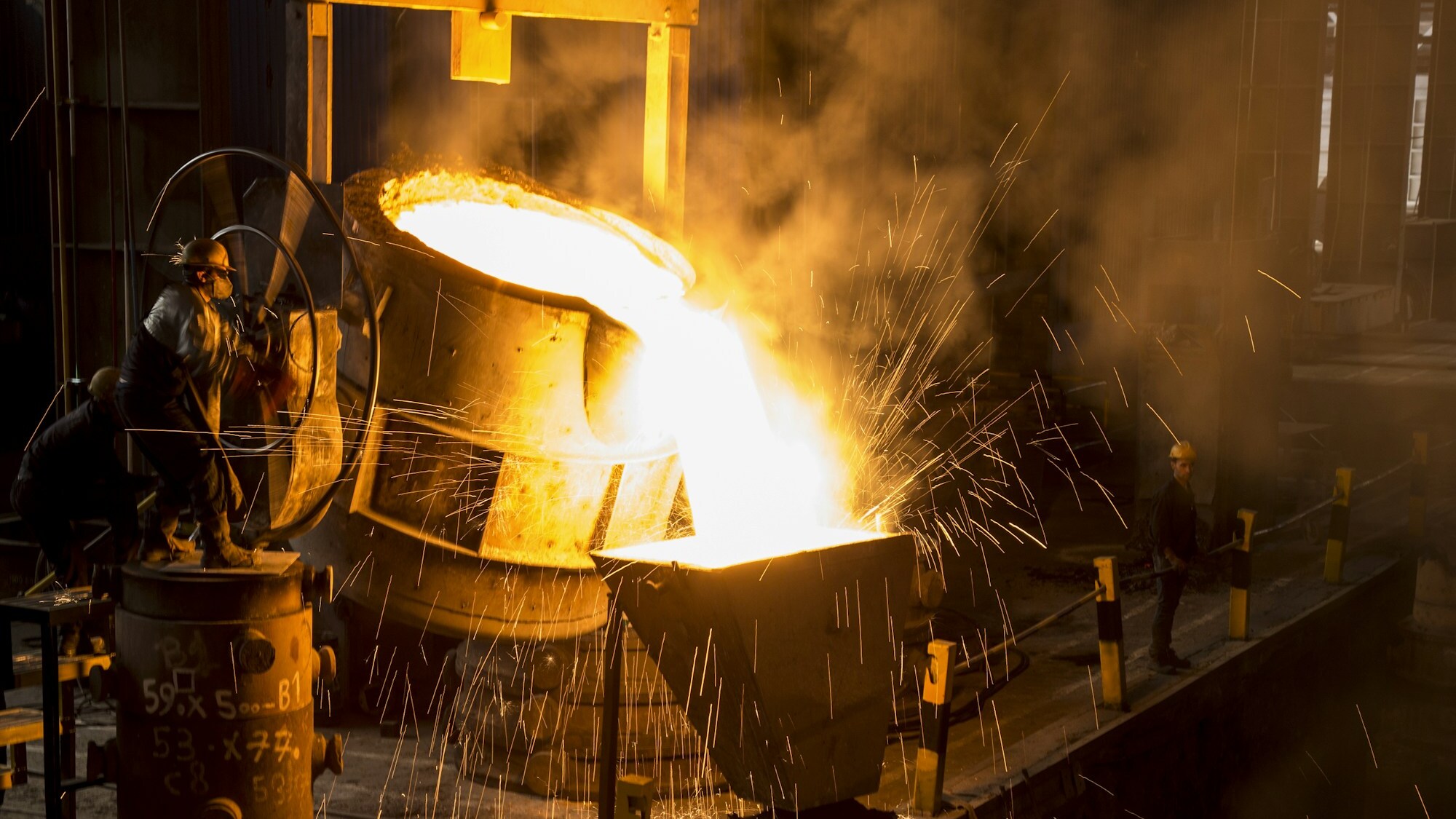
The prepared mixture is heated in a furnace at about 1,050 to 1,100°C. During this stage, litharge is reduced to molten lead.
This lead forms droplets that collect precious metals as they settle. After about an hour, the molten contents are poured into a mold, forming a dense lead button containing the precious metals beneath a layer of slag that contains the matrix components.
Cupellation
The lead button is transferred to a porous cupel and reheated to around 950°C. This is the cupellation stage.
The lead oxidizes into litharge and is absorbed into the cupel. What remains is a small dore bead of concentrated precious metals.
Dissolution and Analysis
After cupellation, the precious metal bead is processed according to the metals being determined.
For platinum and palladium fire assays, the bead is commonly dissolved using aqua regia. This brings the collected precious metals, including gold, platinum, and palladium, into solution for analysis.
The resulting solution can then be analyzed by ICP-OES, ICP-MS, or atomic absorption spectroscopy to determine the individual metal concentrations. When metal concentrations are high enough, gravimetric methods may also be used, where the metal or a purified compound is isolated and weighed directly.
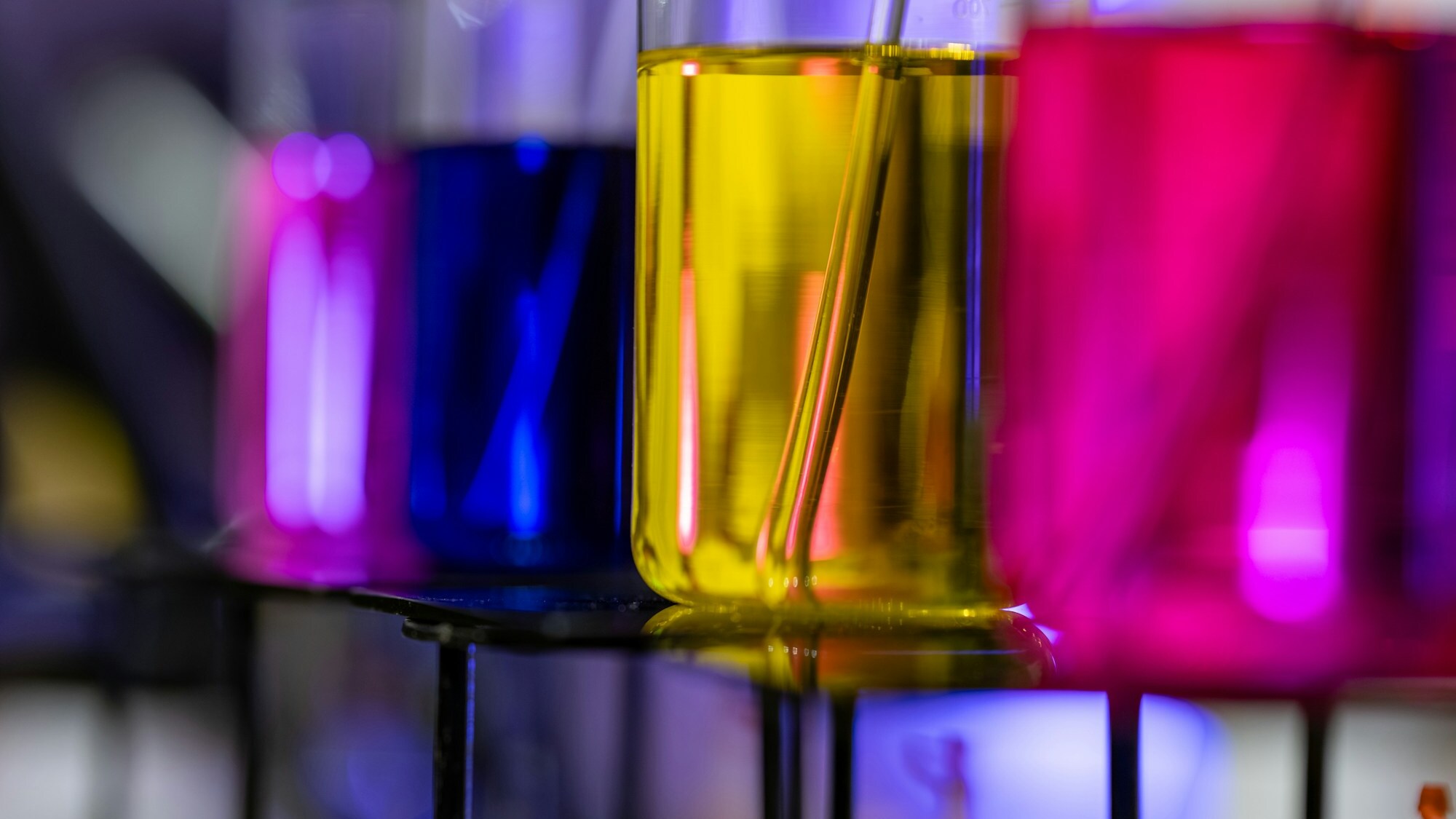
For gold fire assay, the silver-gold bead is typically parted with nitric acid. The nitric acid dissolves the silver, leaving the gold behind for annealing and precise weighing, often on a microbalance, depending on the laboratory method.
Practitioner insight: for PGM fire assays, the silver collector ratio must be carefully controlled. Too little silver reduces recovery efficiency, while too much makes dissolution difficult. This balance is one of the clearest indicators of an experienced laboratory analysis team.
Why Fire Assay Still Matters
Fire assay remains one of the most trusted and accurate methods for determining precious metal content. Unlike other screening methods, fire assay uses a high-temperature collection step that helps recover precious metals from the full sample portion, including fine particles and complex matrix materials that may be missed or misrepresented by surface-reading techniques.
This is especially important for platinum group metals, where even small inaccuracies can significantly affect value and precise assaying is critical for fair recovery.
Fire assay also plays an important role in commercial settlement and dispute work. In precious metal refining, results from properly performed assays are often used in contract settlement, umpire assays, and disagreements over metal content.
Modern labs do not replace fire assay with newer tools. Instead, they combine it with ICP analysis for a complete picture across gold, silver, and all six PGMs.
If a refiner offers recovery services without fire assay verification, it is worth asking why.
Fire Assay in Precious Metal Recovery: How Sabin Uses It
At Sabin Metal Corporation, fire assay is integrated into every stage of the recovery workflow.
The process follows a structured sequence: receiving, pre-processing, representative sampling, and assaying before refining begins. This ensures that incoming materials are properly characterized before recovery, helping establish an accurate basis for metal value.
Sabin’s laboratory applies fire assay and complementary analytical methods to evaluate gold, silver, platinum, palladium, and other valuable metals in complex industrial materials. These services support customers in industries including petrochemicals, pharmaceuticals, electronics, energy, chemical processing, and related sectors.
A key differentiator is cross-verification. Fire assay results are validated using complementary analytical techniques such as ICP, atomic absorption, XRF, wet chemistry, and gravimetric methods, depending on the material and metals being determined.
For platinum and palladium-bearing materials, Sabin applies PGM-focused fire assay techniques, including silver collection and instrumental or gravimetric finishes where appropriate. Over our long history these methods have been tailored to complex secondary materials to support reliable precious metal refining and fair recovery.
These practices are further supported by Sabin’s responsible sourcing, environmental, and industry compliance programs, including London Platinum and Palladium Market (LPPM) due diligence and CHWMEG facility review credentials, reinforcing Sabin’s commitment to accuracy, accountability, and responsible recovery.
For users who need precise and verifiable results, this level of analytical rigor directly impacts settlement value. Contact Sabin’s team to discuss your project.
Fire Assay FAQ
How does fire assay work?
Fire assay works by combining sample preparation and fluxing, fusion with lead oxide to collect precious metals, cupellation to remove lead, and final dissolution and analysis. For PGMs, silver is added as a collector, and the bead is dissolved in aqua regia for ICP analysis.
What is fire assay used for?
It is used to determine the exact content of gold, silver, platinum, palladium, and rhodium in ores, catalysts, electronic scrap, and industrial materials.
Is fire assay accurate?
Yes. Fire assay remains one of the most accurate and trusted methods for precious metal analysis. For gold and silver, the final bead can be weighed on a microbalance with readability as fine as 0.001 mg, depending on the method and laboratory equipment. When combined with ICP or gravimetric analysis, fire assay also provides highly reliable results for platinum and palladium, especially in complex refinery and industrial materials.
Can fire assay detect platinum group metals?
Yes. Fire assay can be adapted for platinum group metal analysis. With silver collection, aqua regia dissolution, and ICP or gravimetric analysis, it is highly effective for platinum and palladium determination. Other PGMs may require modified procedures depending on the sample type and analytical requirements.
Conclusion
Fire assay has endured because it remains the foundation of accurate precious metal determination. As industrial materials become more complex and platinum group metals become increasingly valuable, reliable assaying is essential to fair recovery and settlement.
By combining fire assay with gravimetric analysis or advanced spectroscopy techniques such as ICP, modern laboratories can deliver highly dependable results for gold, silver, platinum, palladium, and other valuable metals.
At Sabin Metal Corporation, this combination of representative sampling, fire assay, and complementary analytical verification is applied throughout the recovery process to support accurate, transparent, and accountable outcomes for customers.
To learn how this process can support your next project, get in touch with Sabin here.


-min.webp)
-min.webp)
-min.webp)


