


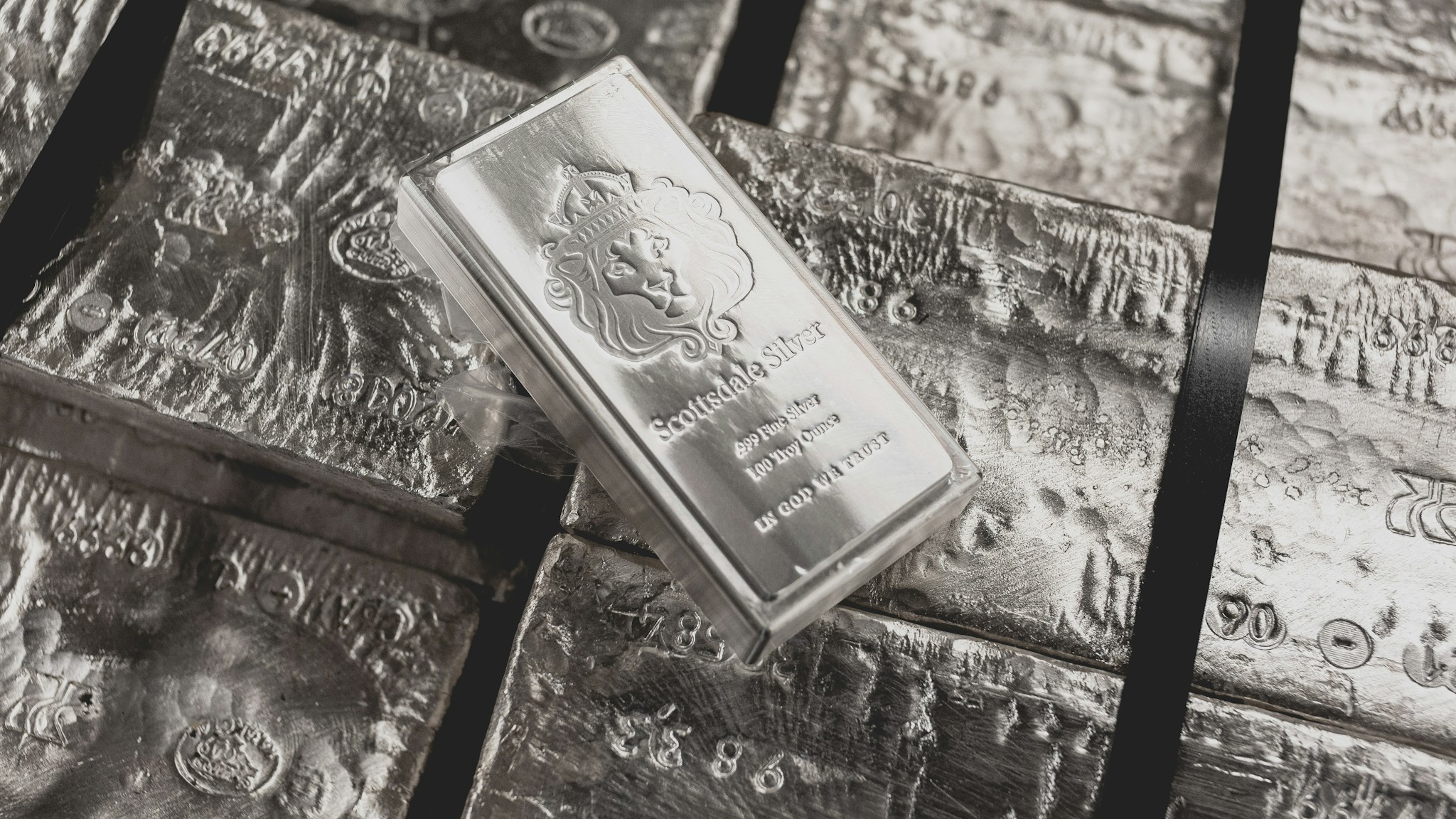
Silver Refining: How the Process Works and What to Look for in a Refiner
Industrial applications consumed 657.4 million ounces of silver in 2025, roughly 58 percent of the 1.13 billion ounces the world used that year, according to the Silver Institute. Most of it goes into electronics, solar panels, and chemical catalysts, much of which lands in spent materials that still hold value. Refining silver from those materials returns high-purity metal to a market that has run short of supply for five straight years.
Refiners don't all deliver the same results, and the wrong one costs you. This article covers what silver is, how refining works, and how to weigh a refiner's credentials.
What Is Silver and Why It Matters
Silver is a precious metal with a rare combination of physical properties. It conducts electricity and heat better than any other metal, reflects more visible light than any other, and inhibits bacterial growth on contact.
Those properties carry silver well beyond jewelry and coins. Conductivity makes it the default contact material in electronics, and it turns up in mirrors and optical coatings too. Hospitals and water treatment plants use it for the antimicrobial effect.
Metal recovered through refining, which purifies silver from spent industrial materials, plays a growing role in the silver available to industry, returning purified silver into the market supply and to the customer.
Where Silver Is Used Across Industry
Electronics and electrical contacts top the list. Circuit boards, switches, relays, and connectors depend on silver because nothing conducts electricity better. Solar photovoltaic cells rank close behind, with silver paste printed onto the great majority of panels built today, though record prices are pushing manufacturers to thin those layers.
Chemical plants rely on silver catalysts to make ethylene oxide and formaldehyde, feedstocks for plastics, antifreeze, and resins. Brazing alloys and solders use it for joints in automotive and aerospace assemblies. Medical products, batteries, mirrors, optical coatings, and water treatment draw on it as well.
Spent catalysts, production scrap, and obsolete electronics carry real value as a result. Recovering it is the job of silver processing refining, which returns pure metal to the market and to the customer.
How the Silver Refining Process Works
The silver refining process purifies silver from spent industrial materials, electronic scrap, photographic waste, and other silver-bearing sources, bringing it to industry standard purity or higher. Feed arrives in many forms and grades, and the method follows the material. An assay decides the route, and two approaches handle most of the volume.
Electrolytic Refining
Electrolytic refining is the most widely used method for producing high-purity silver. The feed is melted and cast into anodes first, so it suits material already high in silver. An impure anode dissolves into a silver nitrate electrolyte under current, and pure silver deposits on the cathode as loose crystals. Those crystals are scraped off, washed, melted, and cast into bars or grain at 99.9 percent purity or better.
Refiners favor the method because control is precise and purity holds lot after lot. It also separates silver cleanly from the rest of the feed. Gold and platinum group metals don't dissolve into the electrolyte. They settle into the anode slimes for separate recovery, so electrolytic refining silver out of a mixed feed returns more than the silver alone.
Chemical Precipitation
Chemical precipitation answers the practical question of how to purify silver from mixed or lower-grade feeds. The material dissolves in nitric acid, then a chloride addition drops the silver out of solution as silver chloride. That chloride is reduced back to metallic silver, which can be refined further when the application demands it.
It's the preferred route when the feed carries several metals or too little silver to justify casting anodes. Many refiners run both and let the assay decide.
What to Look for in a Silver Refiner
Two silver refinery operations with comparable hardware can return very different settlements depending on how they sample, assay, and report. A search for silver refinery near me is where most buyers start, though location belongs well down the list.
- Transparent sampling. Look for a documented flow of receiving, pre-processing, homogeneous sampling, and assaying. The refiner should also let you witness the weighing and sampling in person or through a representative.
- Assay cross-verification. Fire assay remains the benchmark, and a strong lab cross-checks it against ICP analysis so the numbers hold up.
- Accreditation and audit. Look for independent, recurring audits.
- Settlement terms and communication. Expect defined timelines, transparent settlement reporting, and direct access to technical staff rather than a sales desk.
- Experience and R&D investment. Decades of operating history count for less if the process stands still. Consistent R&D keeps a refiner current as materials change.
- Range of metals processed. A refiner working across silver, gold, and platinum group metals captures full value from complex feeds.
Frequently Asked Questions
How is silver refined?
Most industrial silver is refined electrolytically. An impure anode dissolves in a nitrate electrolyte and pure silver deposits on the cathode at 99.9 percent purity or better. Chemical precipitation, which converts dissolved silver to silver chloride before reducing it back to metal, handles mixed or lower-grade feeds.
How do you refine silver?
On an industrial scale, you dissolve the silver, separate it from the other metals in the feed, and recover it as pure metal. The controlled chemistry and certified assays put the work well outside hobbyist recovery.
How is silver mined and refined?
Ore is crushed and concentrated, usually as a byproduct of copper, lead, zinc, or gold mining, then smelted into impure bars and refined, most often by electrolysis.
Recover Full Value From Your Silver
The Silver Institute reported lower industrial silver demand in 2025 and, in its April 2026 outlook, forecast a further decline and a sixth consecutive annual supply deficit in 2026. Above-ground stocks keep covering the gap, which makes recovered metal a larger share of the balance than the headline suggests. The method and the refiner you pick determine how much of yours comes back. Contact Sabin Metal to start your silver refining and recovery project.


