


Spent Catalyst Recycling: How Precious Metals Are Recovered
Billions of dollars in precious metals are sitting inside spent industrial catalysts right now, and a meaningful share of that value gets written off as a loss every year.
Spent catalyst recycling is the process that will return most of the precious metals contained within this valuable company asset. This article breaks down how it works, which metals get recovered and from what, what a rigorous recycling process looks like step by step, and how to tell whether the company handling your material is maximizing your return.
What Is Spent Catalyst Recycling?
Spent catalyst recycling is the recovery of precious metals from catalysts that have reached the end of their useful service life. A spent catalyst loses enough effectiveness through contamination, sintering, or poisoning during industrial use that it needs to be replaced.
The precious metal content embedded inside it does not go away. That value remains even after the catalyst's working life is over.
Recycling a spent catalyst means recovering those embedded metals. The world's precious metal refining companies extract the platinum, palladium, rhenium, and other valuable metals contained in the material and reintroduce them into the market supply and back to the customer.
Maximizing the return of the precious metal content is a function of managing the entire lifecycle of the catalyst, from 'cradle to grave'. Recycling, done correctly, creates value. The keys are controlling the internal housekeeping and record keeping of the catalysts, and understanding how to select the right precious metal recycling partner.
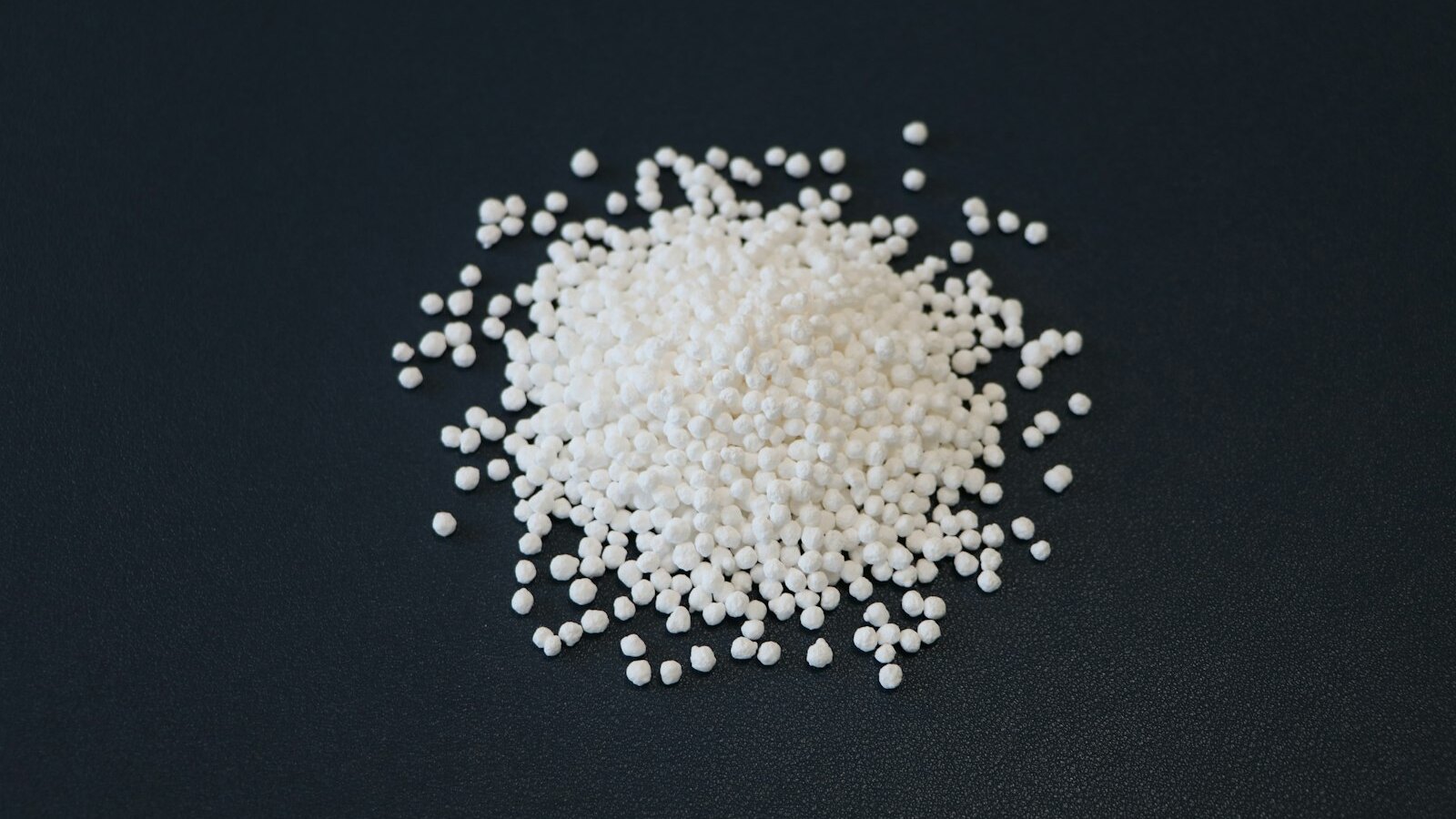
Catalysts are used across many processes, including petroleum refining, petrochemical processing, pharmaceutical manufacturing, chemical production, and fuel cells. The type of catalyst and the amount of metal it contains may require adjustments to the recovery process.
Which Metals Are Recovered from Spent Catalysts?
The value in spent catalysts is not limited to platinum group metals. It spans precious metals in general, including gold, along with minor metals such as rhenium. To determine which type of catalyst will yield the highest amount of recoverable metals, it helps to understand both the function of the catalyst and its source.
| Catalyst source | Metals commonly recovered |
|---|---|
| Petroleum and petrochemical | Platinum, palladium, rhenium, molybdenum, cobalt, nickel, vanadium |
| Pharmaceutical | Platinum, palladium, rhodium, ruthenium |
| Chemical processing | Platinum group metals or silver, depending on the reaction |
| Fuel cells | Platinum and palladium |
Metals found in petroleum and petrochemical catalytic materials include platinum, palladium, rhenium, molybdenum, cobalt, nickel, and vanadium. Given current market conditions, platinum rhenium reforming catalysts are an especially attractive target. According to the USGS Mineral Commodity Summaries 2026, rhenium prices increased by more than 70% year over year, which raised the value of recovering this element from spent catalytic materials. Only a couple of refiners in the world possess the technical capabilities needed to recover rhenium from spent platinum rhenium catalysts.
Spent pharmaceutical catalysts typically contain platinum, palladium, rhodium, and ruthenium, and generally consist of higher purity materials with significant quantities of precious metals. Depending on the chemical reaction involved, catalysts from other chemical processes can contain platinum group metals or silver, while fuel cell catalysts are primarily composed of platinum and palladium.
The common thread: many companies underestimate the value of the precious metals inside their spent catalysts.
The Spent Catalyst Recycling Process: From Receiving to Assaying
The precious metal recycling process has four critical stages, and what happens at each one affects the final value returned. This is where the difference between a real recycling partner and a middleman becomes visible.
Receiving
Accountability starts the moment spent catalyst material arrives at the facility. Proper receiving includes documenting the chain of custody from receipt, inspecting the material, and classifying it by type and origin.
Accurate records from day one help ensure no material is lost or incorrectly classified, which could lead to blending with other lots and reduce the value of your specific lot. How a facility handles receiving is often a good indicator of how carefully it performs every step that follows.
Preprocessing
Pellets are handled differently than powder, and heavily contaminated catalysts must be rendered clean, dry and free flowing. Proper preprocessing is essential to ensure accurate samples can be drawn for evaluation and assay. The goal is uniformity across the entire batch. Without adequate preprocessing, sampling cannot produce reliable data.
Representative Sampling
This is the most critical part of the entire process.
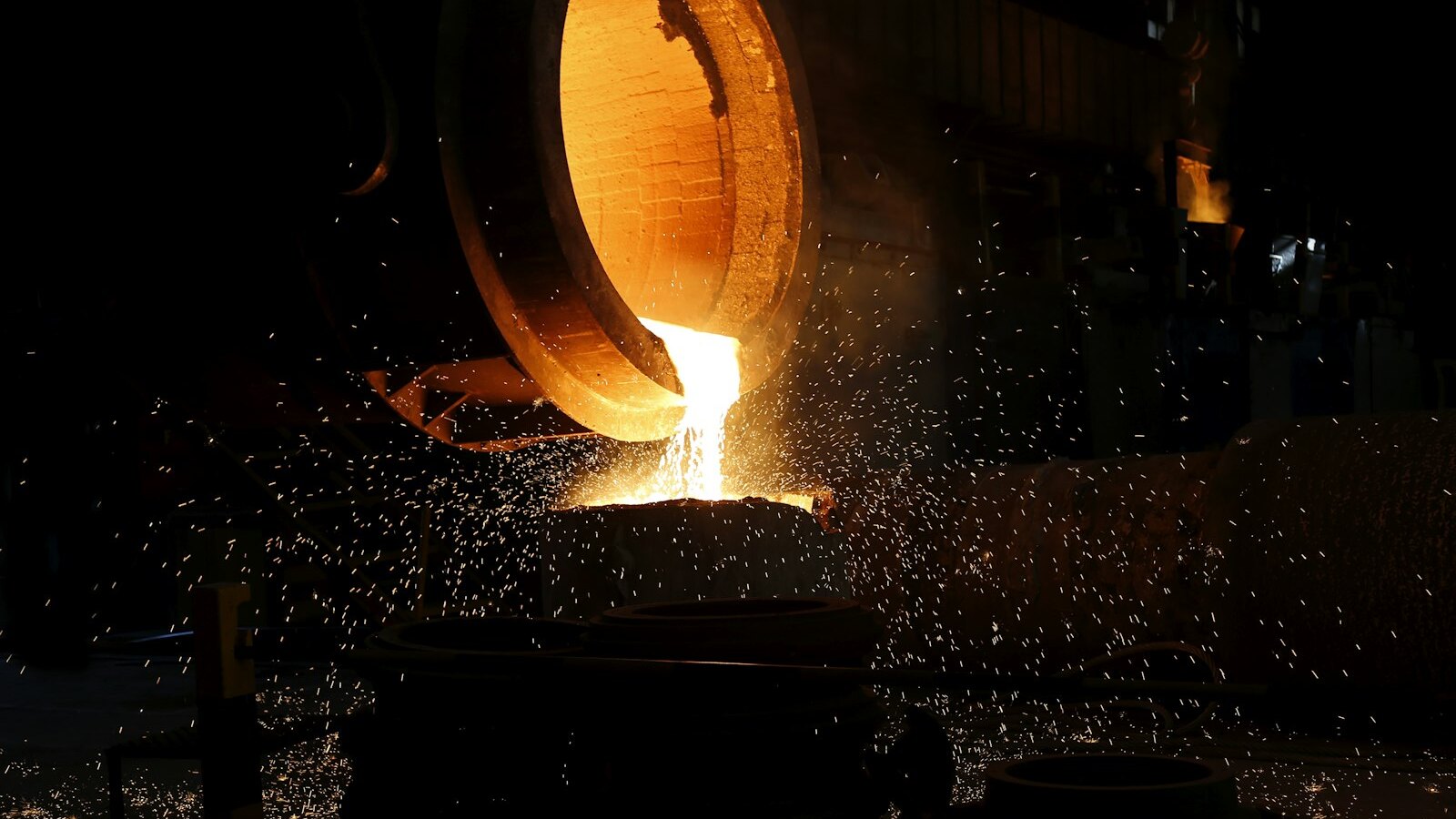
The principle of representative sampling is that every particle in the prepared lot is equally likely to be included in the final sample. That sounds simple. Achieving it across varied material types is difficult.
One hundred percent of the customer shipment must be prepared and sampled; random selection of a portion of the shipment cannot guarantee effective valuation.
The difference between a properly sampled lot and a less rigorously handled one can have a significant impact on the value returned to you, and many clients are unaware when their sampling falls short of industry standards. It is always advisable to audit your potential precious metals recycler to see the sampling methodology firsthand. Alternatively, there are many premiere witnessing companies who can visit on your behalf.
Sabin Metal has developed a robust sampling methodology to capture representative samples across a wide variety of material types, using three main methods depending on the material: dry sampling, melt sampling, and solution sampling.
Assaying
Assaying is the laboratory analysis that determines the exact precious metal content in the sample. Using multiple assay methods provides cross verification rather than relying on a single result. Classical fire assay results are cross checked against instrumental techniques such as ICP analysis, so any discrepancy is caught before settlement.
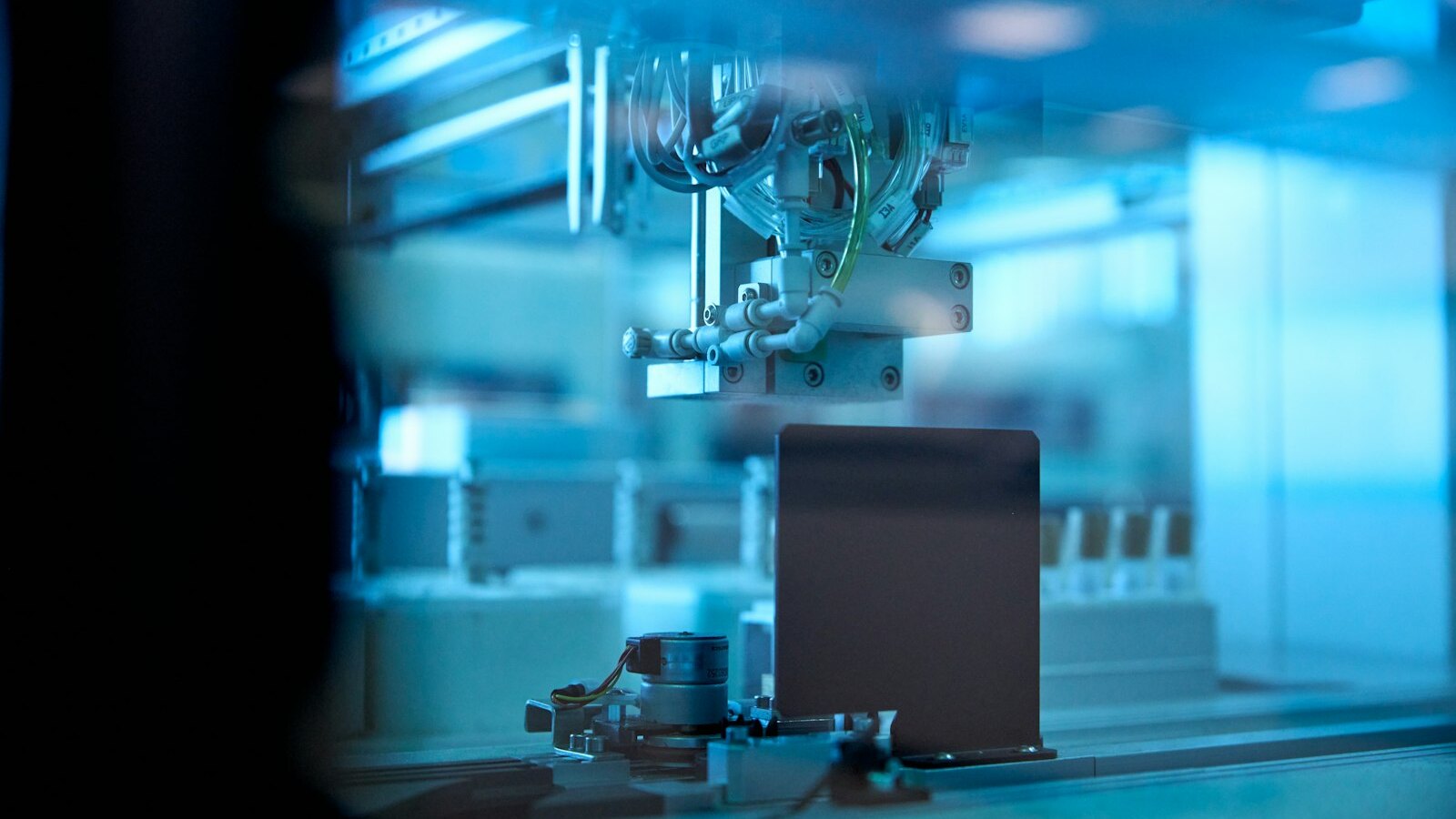
Because assay results determine the value paid to the client, transparency at this stage is essential. A credible recycling partner will provide full assay documentation and offer split samples for independent verification.
Want to understand how this process applies to your specific catalyst material? Contact Sabin Metal to help with your spent catalyst recycling and precious metal recovery project.
Why Catalyst Disposal Is a More Expensive Choice Than It Looks
Treating spent catalysts as a disposal problem carries costs that rarely show up on a single line item. Disposal fees and the environmental liability that comes with improper handling of regulated materials can be expensive, and the real costs are the precious metal values that are never recovered.
CHWMEG facility review represents a benchmark for the environmentally responsible management of chemical waste streams, and Sabin Metal maintains these credentials. Spent materials you ship through our recycling and disposal services are handled in accordance with applicable regulatory requirements, protecting your company's environmental interests.
The circular economy aspect of recovering these metals is also becoming more important. Recycling these metals returns them to the market supply and to the customer, reducing reliance on primary sources that face real production constraints. Maximizing recovery of precious and minor metals from spent catalysts is both fiscally prudent and strategically sound for any company that depends on them.
How to Choose a Spent Catalyst Recycling Company
Here is a checklist you can use when evaluating any recycling partner, not just Sabin:
- Accreditation and due diligence: Look for LPPM (London Platinum and Palladium Market) "Good Delivery" certification to be certain you are dealing with one of the world's primary refiners. Other auditing and certifications are a plus, as well as a robust quality management program.
- Sampling methodology: Ask specifically how representative sampling is achieved, ensure the methodology is documented in any business agreements, and visit or hire a professional to verify.
- Process, sampling and assay transparency: Reputable refiners allow for customer witness of all processing, weighing and sampling. The best will encourage it. Third party lab analysis provides another level of quality control.
- Environmental compliance: Verify CHWMEG facility review credentials or equivalent, so you have confidence your spent material is handled responsibly.
Sabin Metal maintains LPPM related due diligence and CHWMEG facility review credentials and has invested in research and development across decades of precious metal catalyst recycling work. Every criterion on this list has a verifiable answer. Contact Sabin Metal to discuss your specific catalyst recycling and recovery project.
Frequently Asked Questions
Are catalysts recyclable?
Yes. Most industrial catalysts contain recoverable precious metals that can be extracted through a rigorous recycling process and returned to the market supply.
How long does spent catalyst recycling take?
Timelines vary based on material type, lot size, and the complexity of preprocessing required. A reputable recycling partner will give a realistic timeline at intake, not after the fact.
What determines the value of my spent catalyst?
Primarily four things: the type of precious metals present, their concentration in the material, the total lot size, and the complexity of recovery.
The Bottom Line on Spent Catalyst Recycling
Spent catalyst recycling is not a commoditized service where every provider delivers the same result. Recovering precious metals from spent industrial catalysts demands precision, and carelessness in that process carries real dollar consequences.
As precious metal prices rise and global supply lines for these metals tighten, the value locked inside spent industrial catalysts will only increase. The question is whether that value will be accurately recovered and returned to the customer.


-min.webp)
-min.webp)
-min.webp)


